Global Geopolitics is entering a crucial phase as tensions rise in West Asia, the Ukraine conflict continues, and diplomatic movements intensify across continents.
The current international climate is marked by uncertainty. Major powers are adjusting strategies. Smaller nations are watching closely. Markets are reacting to every signal from Washington, Tehran, Moscow, Brussels, and Beijing.
At the center of this moment is Global Geopolitics, a term that now defines not just foreign policy debates but also economic planning and security decisions worldwide.
Why Global Geopolitics Is Dominating Headlines
Global Geopolitics has returned to the top of news agendas because several flashpoints are active at the same time.
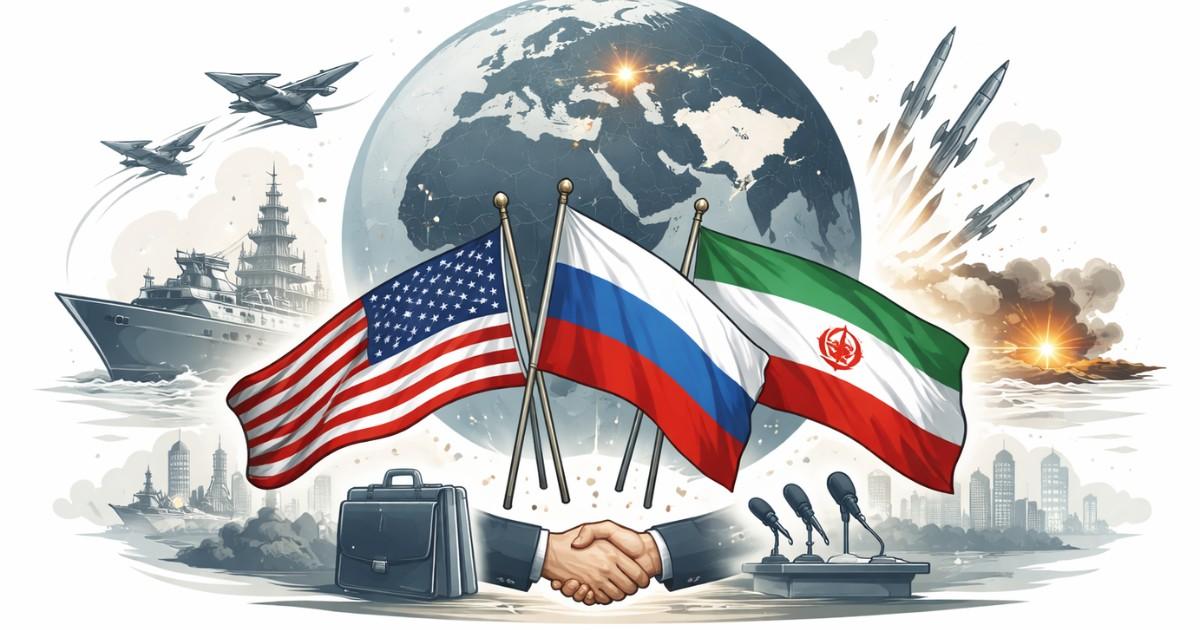
Three major developments stand out:
- Rising strain between the United States and Iran
- The prolonged Russia–Ukraine conflict
- High-level diplomatic engagement across regions
These issues are interconnected. Energy flows, military alliances, and economic policies are all influenced by Global Geopolitics.
Financial markets often respond instantly to geopolitical signals. Oil prices, defense stocks, and currency markets reflect the mood of international stability.
US–Iran Tensions: A Sensitive Chapter in Global Geopolitics
Relations between the United States and Iran remain fragile. Sanctions continue. Diplomatic trust is limited. Regional security concerns remain high.
The Persian Gulf is a strategic energy corridor. Any tension in this region directly impacts oil shipments.
For countries like India, which rely on energy imports, developments in this area are closely monitored.
Core Issues Behind the Tension
- Sanctions and economic restrictions
- Regional military presence
- Security concerns in West Asia
Analysts note that even limited escalation can cause ripple effects. In the broader picture of Global Geopolitics, West Asia remains a highly sensitive zone.
Ukraine Conflict and the Changing Security Order
The war between Russia and Ukraine continues to reshape the global security environment.
Sanctions on Russia remain in effect. Western countries maintain political and military support for Ukraine.
Diplomatic negotiations have taken place at various levels, but a final resolution is still not visible.
Major Effects of the Ukraine War
- Energy price volatility
- Grain supply disruptions
- Increased defense budgets in Europe
The conflict has influenced NATO’s posture and strengthened security coordination among Western nations.
This ongoing war remains one of the central pillars of Global Geopolitics today.
Energy Markets Under Pressure
Energy security is a key theme in Global Geopolitics.
Oil and gas supplies remain sensitive to political developments. When tensions rise, prices often react immediately.
Countries are now:
- Diversifying energy sources
- Building strategic reserves
- Increasing renewable energy investments
India has also expanded its sourcing options. Energy diplomacy has become more active in recent years.
Stable energy supplies are essential for economic growth.
Diplomatic Activity Gains Momentum
Even in tense times, diplomacy continues.
Leaders across Europe, Asia, and West Asia have increased high-level meetings. International forums are being used to maintain dialogue.
Recent Diplomatic Patterns
- Bilateral meetings between major powers
- Regional security discussions
- Continued engagement at global institutions
Global Geopolitics is not only about conflict. It is also about negotiation and dialogue.
Communication channels remain open despite disagreements.
China’s Strategic Calculations
China plays a critical role in the current geopolitical environment.
It maintains economic ties with multiple blocs. It supports trade partnerships and infrastructure projects across regions.
China’s diplomatic statements often emphasize stability and development.
Observers believe Beijing’s moves will significantly shape the next phase of Global Geopolitics.
India’s Position in a Complex Global Geopolitics Landscape
India has adopted a balanced approach.
It maintains relationships with both Western nations and Russia. It also engages deeply with West Asian partners.
India’s priorities include:
- Energy security
- Defense cooperation
- Trade expansion
- Strategic autonomy
New Delhi’s approach reflects careful navigation within Global Geopolitics, avoiding rigid alignment while protecting national interests.
Defense Spending and Alliance Building
Global defense budgets are rising.
Several countries have announced increased military spending in response to security concerns.
Regional alliances are also strengthening. The Indo-Pacific region remains strategically important.
Security cooperation agreements are becoming more active.
These changes highlight how Global Geopolitics increasingly affects national budgets and long-term planning.
Economic Impact on Global and Indian Markets
Geopolitical instability often leads to financial uncertainty.
When tensions rise:
- Stock markets show volatility
- Commodity prices fluctuate
- Currency movements become sharp
Investors prefer stability. Emerging markets remain cautious.
India monitors supply chain risks and trade route stability closely.
Major shipping routes remain vital for global commerce.
Cyber Security and Technology Rivalries
Modern Global Geopolitics includes digital competition.
Cyber security threats are rising. Governments are investing heavily in:
- Digital defense systems
- Artificial intelligence tools
- Secure communication networks
Technology competition has become part of strategic rivalry.
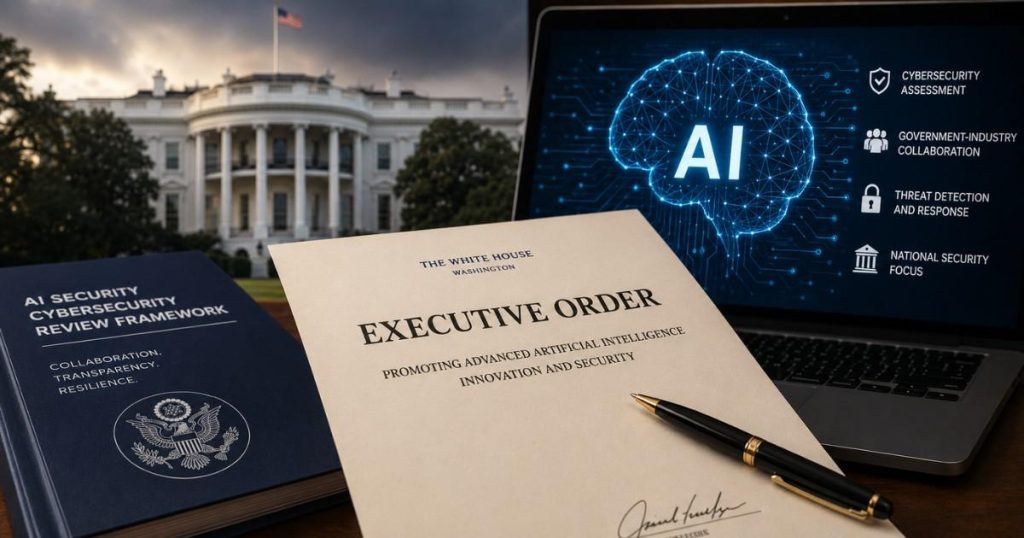
Cyber resilience is now considered national security.
Multilateral Institutions and Conflict Management
Global institutions continue to push for peaceful dialogue.
The United Nations and other bodies facilitate communication between nations.
Though progress can be slow, these platforms remain important.
In times of uncertainty, multilateral engagement helps prevent sudden escalation.
Key Developments to Watch
The coming months will be crucial.
Observers are watching:
- Diplomatic talks between the US and Iran
- Military developments in Ukraine
- Oil market trends
- Sanction policies and trade shifts
Small developments can have large consequences in the present environment.
Global Geopolitics remains fluid and unpredictable.
Why Global Geopolitics Matters for Everyday Life
International tensions may seem distant, but they affect daily life.
They influence:
- Fuel prices
- Inflation
- Defense imports
- Trade policies
- Overseas job markets
For India, careful foreign policy decisions help reduce risks.
Stability abroad supports growth at home.
A World Navigating Uncertainty
The current moment reflects a world in transition.
Power structures are adjusting. Alliances are evolving. Economic strategies are shifting.
US–Iran tensions, the Ukraine conflict, and ongoing diplomatic efforts show how interconnected global systems have become.
Global Geopolitics will continue to influence economic growth, security planning, and diplomatic engagement.
The road ahead depends on restraint, communication, and responsible leadership.
In an interconnected world, global stability is not optional. It is essential.
As nations navigate this sensitive period, Global Geopolitics will remain central to international decision-making and long-term global balance.
Also Read: India AI Impact Summit 2026: 7 Big Announcements Global Tech Leaders May Unveil in New Delhi
Follow us on google news: Click Here